How Often Should You Replace Your Swimming Pool Salt Cell
A saltwater pool makes swimming more enjoyable and easier to maintain because the system keeps water clean without the strong smell of traditional chlorine. But just like every other part of your pool, some equipment needs attention over time. One of the most important parts is the salt cell. It plays a key role in keeping your water clear, safe, and ready to enjoy. When the salt cell gets old or worn out, your pool may not stay clean the way it should. A salt cell replacement can help you maintain fresh water and avoid unwanted problems before they get too big.
A salt cell doesn’t last forever. It works hard every day to transform salt in the water into chlorine. This happens through a process called electrolysis, and over time, the process slowly wears down the metal plates inside the cell. The better you understand how a salt cell functions and how long it usually lasts, the easier it becomes to care for your pool and enjoy stress-free swimming.
Why the Salt Cell Matters?
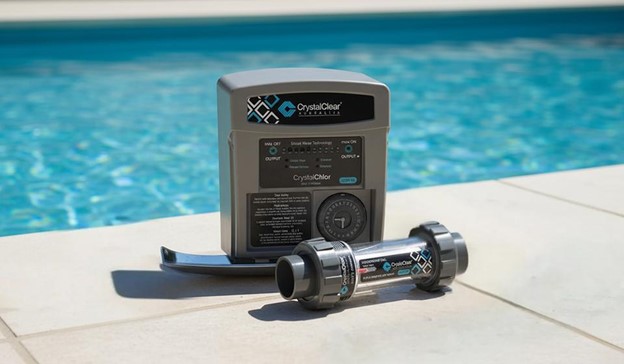
The salt cell is the heart of your saltwater system. It creates a steady amount of chlorine needed to keep your pool water clear and hygienic. Instead of adding chlorine tablets or liquid, the salt cell does the work automatically while saving you time and effort.
When the salt cell begins to lose strength, the pool water might start feeling uncomfortable or cloudy. You might also notice algae forming faster. These are early signs that the salt cell needs cleaning or possibly replacement. Acting early prevents bigger maintenance issues later.
How Long Does a Salt Cell Last?
On average, a salt cell lasts anywhere from three to seven years. The exact lifespan depends on a few important things:
- How often do you use the pool
- The quality of the water
- The salt level
- The condition of the equipment
- Regular cleaning and care
If you use the pool daily, your equipment works harder and may wear out faster. Keeping the right salt levels and checking the equipment often can help you get the longest life from your salt cell.
Signs Your Salt Cell Might Need Replacing
Here are common clues that your salt cell is no longer working as well as it should:
- Chlorine levels drop even when the system is running.
- The pool water becomes cloudy, or algae often appears.
- A low-chlorine warning keeps showing on your system.
- The cell looks damaged, worn, or corroded.
- The system uses more power than usual.
You may also notice mineral build-up on the plates inside the cell. Sometimes, a good cleaning can restore performance. But in other cases, replacement is the only fix.
If you need to install a replacement salt cell and want to avoid costly mistakes, consulting a professional, such as an experienced pool builder in Geelong, can ensure the new cell is installed correctly and your pool system runs smoothly.
Choosing the Right Replacement Salt Cell
When it’s time for a replacement, make sure the new salt cell:
- Matches your chlorinator system
- Fits the size and volume of your pool
- Has a durable design and strong performance
- Provides clear operating instructions
A good replacement will help keep ongoing maintenance simple. You want a cell that keeps your water clean effectively without extra effort.
Consequences of Delaying a Salt Cell Replacement:
Delaying a necessary replacement can create bigger issues:
- Water becomes unsafe to swim in
- Algae growth increases
- The pool surface and equipment can get damaged
- Extra chemicals may be needed to fix the water.
Replacing a worn-out salt cell at the right time can save more money than trying to fix water problems later.
Conclusion
Replacing your salt cell doesn’t need to feel complicated. Knowing the signs of wear, testing your water often, and caring for the equipment can help you enjoy clean water year-round. When replacement becomes necessary, choosing the right salt cell ensures your pool continues to run smoothly with clear and healthy water. Staying informed about your system makes pool care simpler, smarter, and much more enjoyable for every swimmer.